Our Journey
I am Bryan Mann, founder of Dental Profit Advisory. I have an MBA from the University of Notre Dame and a background in scaling service‑based businesses. My wife, Courtney, is a dentist with more than a decade of clinical experience.
Together, we bought two dental clinics in the southwest metro of Minneapolis because we wanted to own a real business, not buy ourselves another job.
What we walked into was not the business we thought we were buying.

Bryan Mann, MBA
CEO | Founder
Dental Profit Advisory

Courtney Mann, DDS
Dentist | Owner
Chaska Family Dental
Minnetonka Dental
The Suprise Behind the Numbers
On paper, things looked promising. The patient base was presented as strong. The revenue line looked stable. The story was that we were stepping into “solid clinics that just needed better leadership.”
In reality, the patient base had been overstated so badly that within the first few months we had to let an associate doctor go because there simply was not enough demand to support her. Overnight, we lost one‑third of our production capacity.
More than 75% of the patient base was tied to state‑subsidized plans and other deeply underperforming reimbursements. The rest sat inside a maze of direct contracts, umbrella networks, and leased participation arrangements that quietly funneled production into some of the lowest reimbursement rates possible.
There were no real systems. No meaningful KPI tracking. No accountability. Accounts receivable were out of control. The technology was outdated. Compensation structures were distorted. The culture was misaligned. The reputation was poor, and honestly, it had been earned.
One detail still sticks with me. At one of the clinics, the imaging software appeared to still be running on what looked like a trial version. That is the kind of situation we walked into.
We were not just buying struggling clinics. We were buying a broken model.
Old v. New Chaska Family Dental And Minnetonka Dental Logos And Branding Identities.
Thanksgiving
The deeper problem was not just messy operations. It was economics.
A lot of practices look healthy from the outside while quietly breaking underneath. The schedule is full. The team is busy. The doctor is exhausted. Patients are coming in. Yet somehow, the margins are thin, the write‑offs never stop, and the owner is carrying far more stress than the business should justify.
I know that feeling because I have lived it.
I can still remember sitting at Thanksgiving dinner with my family, trying to be present while privately wondering how we were going to make payroll. At our lowest point, we had roughly $3,000 in cash on hand between two clinics. We had to ask the bank for an interest‑only grace period just to get through.
It is a very specific kind of fear when you care about your team, your patients, and your family, and you are not sure you can keep all three secure at the same time.
That was the moment I stopped believing we could simply outwork bad economics and started believing we had to fix the model first.
No owner should have to work that hard, take that much risk, care that deeply about patients and team, and still feel that kind of fear.
That was the turning point.
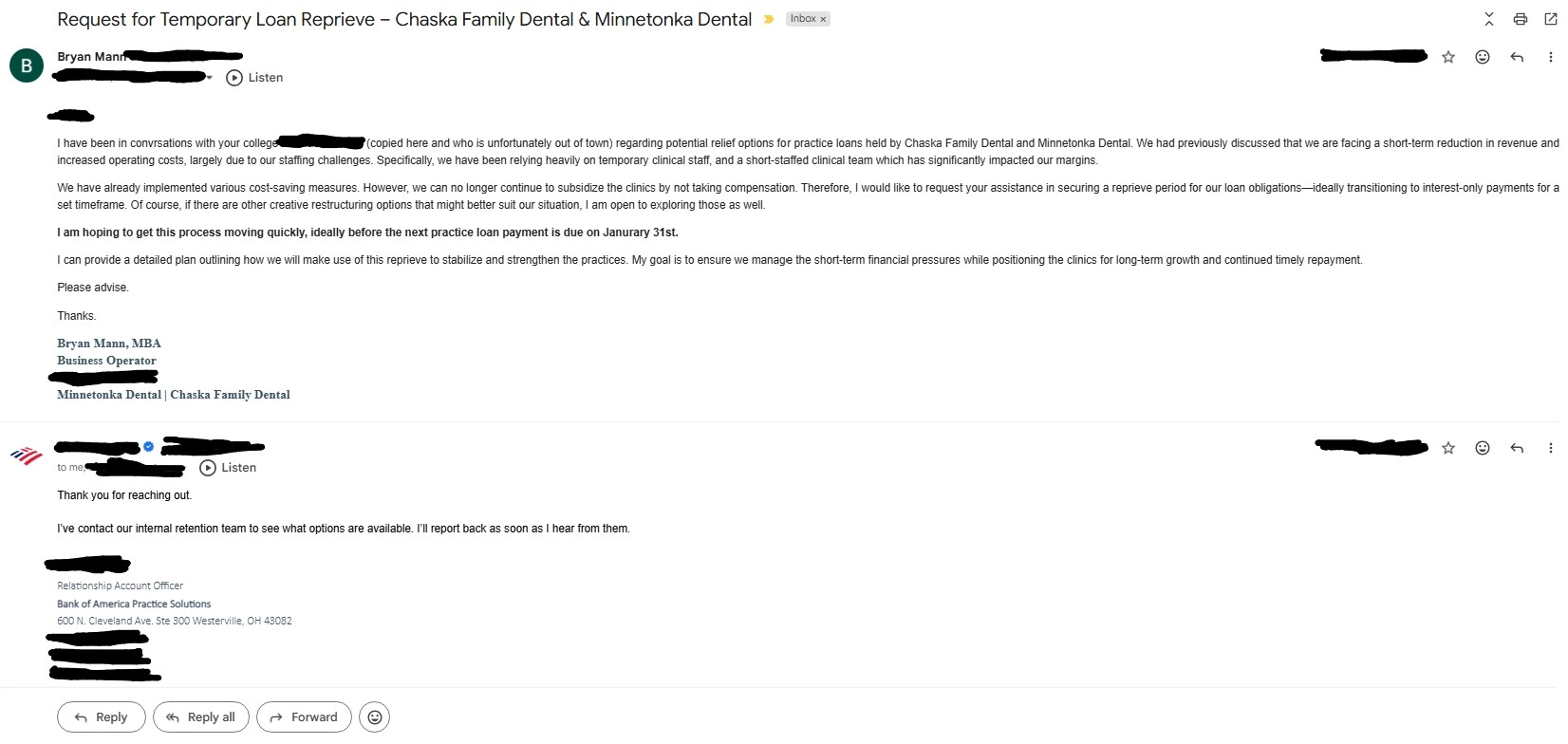
Email To Our Business Bankers Requesting Interest-Only Period To Stabalize The Clinics
Fixing The Right Problem
We realized the problem was not that we were not working hard enough. Everyone was already working hard. It was that reimbursement rates and patient base composition were choking the business.
Until those two issues were fixed, everything else would feel heavier than it should.
Marketing would feel harder.
Staffing would feel harder.
Growth would feel slower.
Every improvement would be fighting upstream.
So we made a decision: either fix the model or eventually be forced to close the clinics.
Tackling The Bottleneck Everyone Avoids
We got to work.
We rebuilt the clinics from the ground up.
We rebranded both offices to reset the reputation and signal a new standard. We made hard staffing decisions and reorganized roles so the right people were in the right seats. We trained and developed the hygiene program so we could stop giving away clinical value and start delivering better care, more consistently.
We installed SOPs, KPIs, and real accountability so we could see problems before they became crises. We overhauled the website, patient communication, referral systems, and online scheduling so patients could actually find us and say "yes". We tightened A/R discipline and real‑time eligibility and verification so money stopped falling through the cracks.
We built membership and referral programs to reward loyalty and reduce dependence on insurance. We invested in new technology and equipment to improve efficiency and the patient experience.
We learned Google Ads, analytics, conversion tracking, and marketing funnel economics ourselves because we were not willing to leave growth to guesswork.
And we made some decisions that felt completely backward in the moment. We lengthened appointment times while margins were already under pressure because we believed a better patient experience would compound. We hired agencies, fired agencies, and rebuilt pieces ourselves when needed. We went without pay for months.
Every time it felt like we were about to get ahead, something else broke. There were many nights when it would have been easier to blame the market, blame insurance, or blame the sellers.
Blaming would not fix the P&L.
The Rebuild: Confront the Work
Operations mattered. Marketing mattered. Culture mattered.
But the real bottleneck was insurance.
We untangled the insurance mess.
We pulled production and collections by plan, by provider, by procedure. We modeled write‑offs and effective reimbursement per hour instead of just “top line” production. We separated what looked busy from what was actually profitable.
Then we made changes.
We severed direct contracts where appropriate. We moved into better interim structures when it made strategic sense. We improved participation levels on some plans where renegotiation could move the needle. We dropped others completely when the math justified it.
We did not outsource the hard parts.We wrote the patient letters, printed and stuffed the envelopes, built the scripts, trained the team, and managed the message carefully. We sat in the consult rooms and had the conversations.
At one point, after fully understanding the numbers, we cut more than 600 patients in a single day to create room for a healthier and more profitable business.
From the outside, that can sound reckless. From the inside, with the spreadsheets open, it was disciplined. It was what it looked like to lead with data instead of fear.
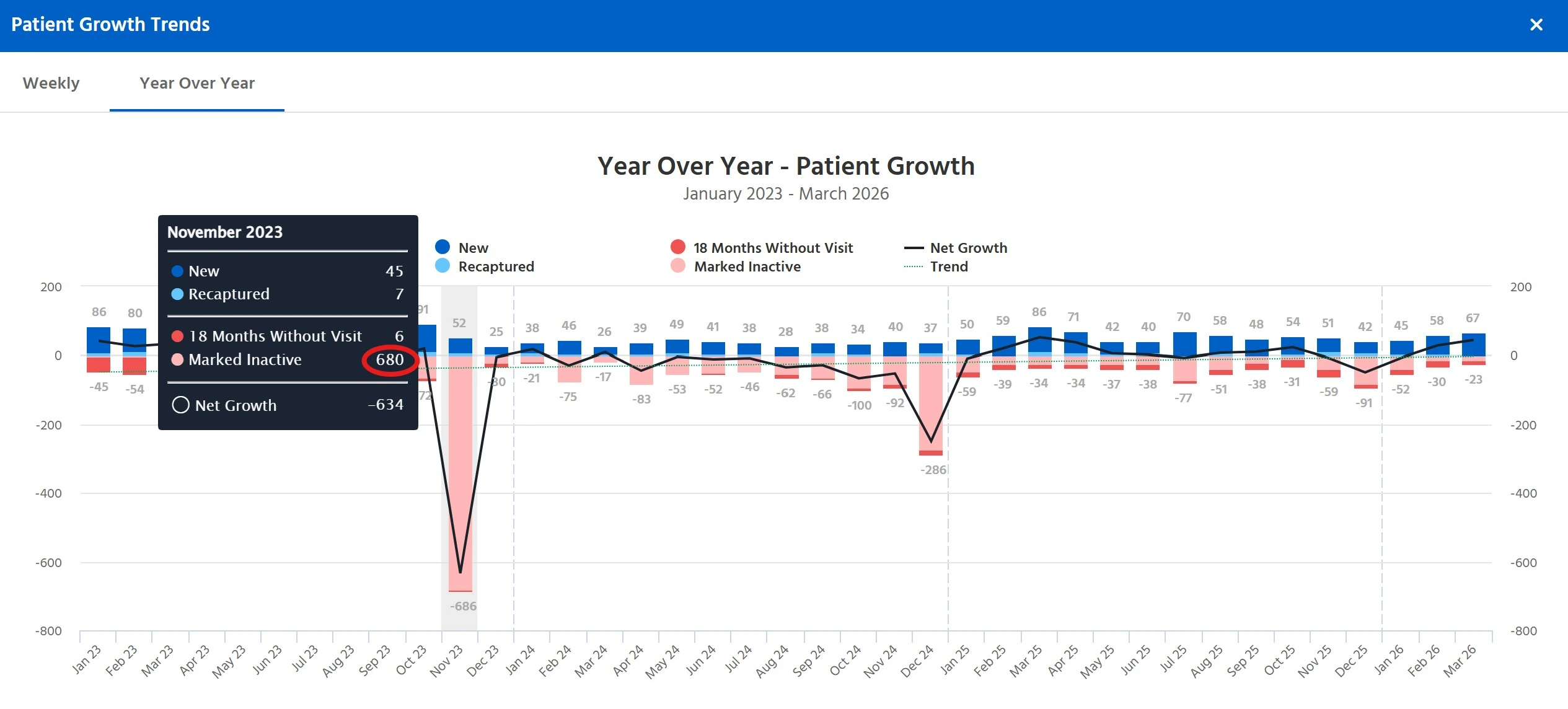
Screenshot from Dental Intelligence Showing an Intentional Drop of 680 Patients.
What Happened Next
The change was not overnight. But slowly, the clinics started to look and feel different.
Revenue improved. Write‑offs dropped materially. Reputation improved and reviews climbed. Word of mouth strengthened. New‑patient flow accelerated.
What had once been a stressed, reactive business that quietly drained us began to behave like a real asset instead of a ticking time bomb.
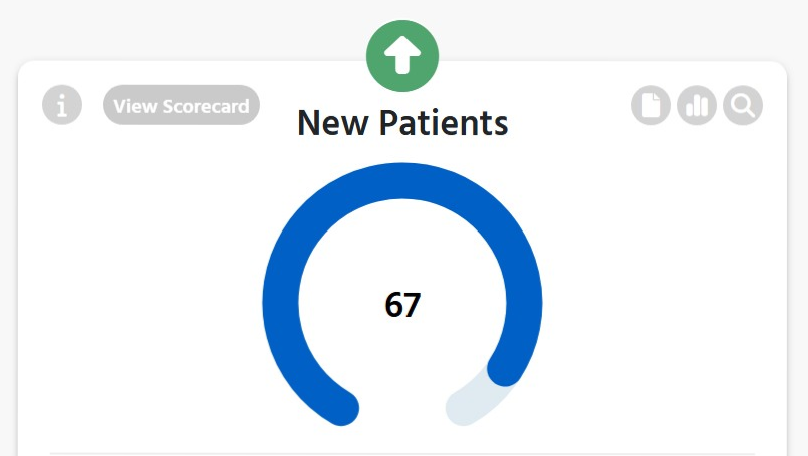
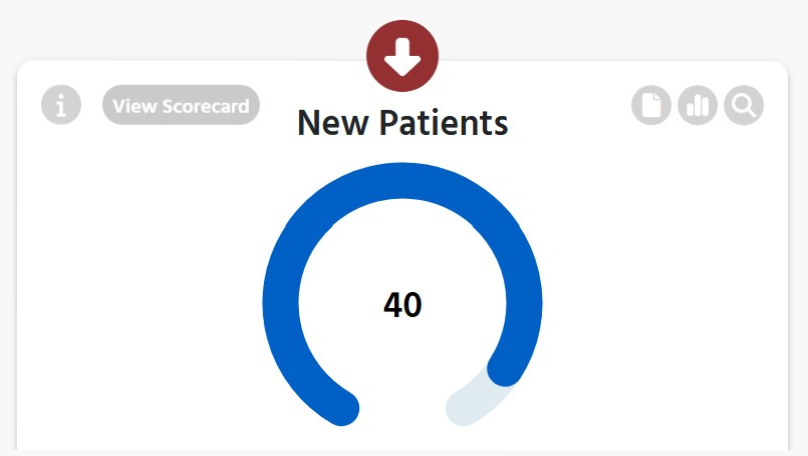
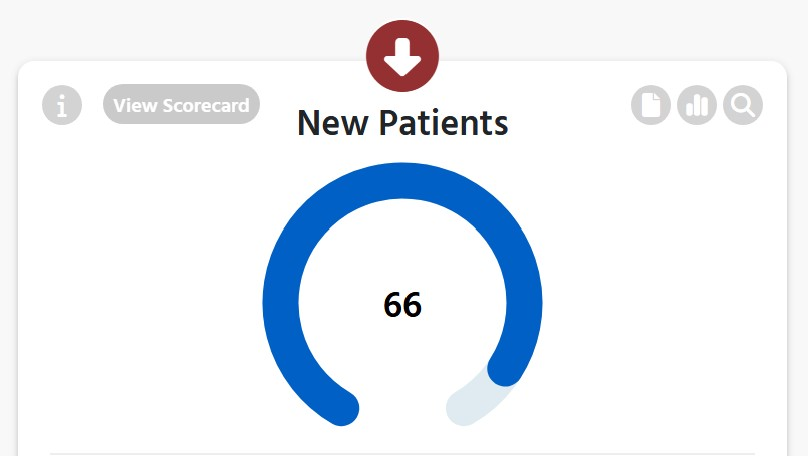
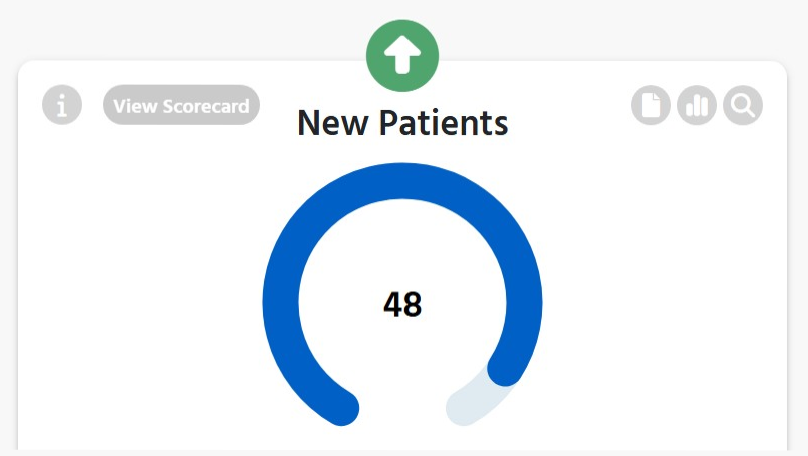
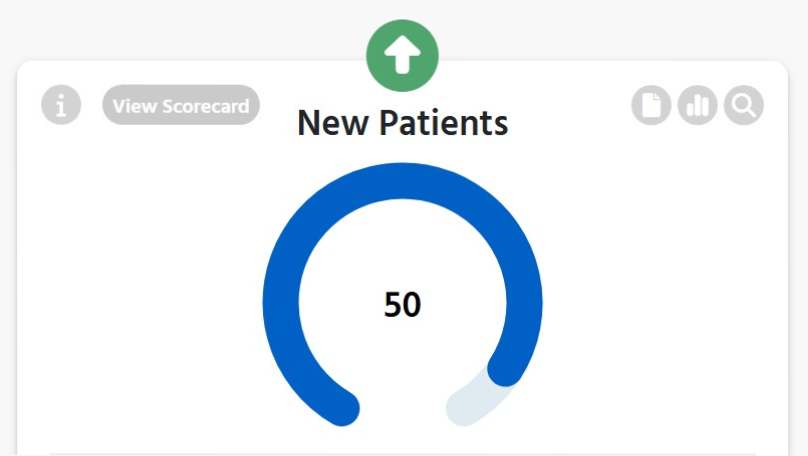
Today, our clinics regularly see 40 to 60 or more new patients per month per clinic. Revenue has grown by more than 50% from where we started, while write‑offs have been cut by roughly a third. Our starting lifetime value was about $1,500 with roughly one‑third of the patient base churning every year. Today, annual patient value has risen dramatically and LTV is tracking toward the $10,000 range with a much healthier, more stable patient base.
Most importantly, we now have a clear, repeatable strategy for building stronger clinics with better margins, better patients, and more control.
Screenshots from Dental Intelligence New Patient Grwoth Per Month (Per Clinic)
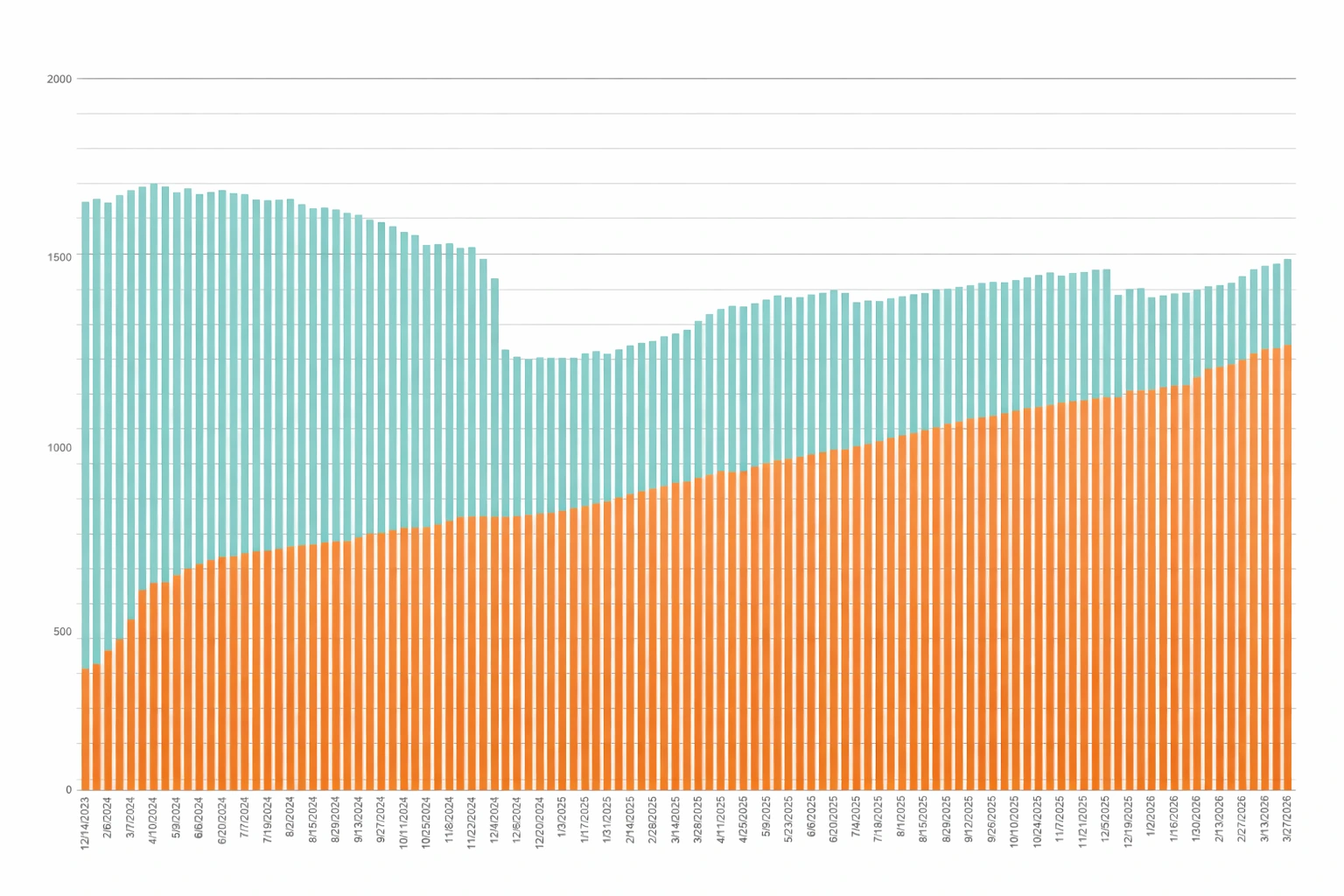
The Changing Patient Base and Increasing Reimbursements at Chaska Family Dental.
From Survival To A System
That journey became the foundation of Dental Profit Advisory.
Every hard‑won lesson, every spreadsheet, every patient letter, every renegotiated contract eventually became the structured process we now call the PPO‑to‑FFS Blueprint.
It is not a theory we sketched on a whiteboard. It is the sequence we used to keep two clinics alive, then healthy, in a competitive, saturated market with rising costs and flat reimbursements.
Who I Built This For
I built this company for dental clinic owners who are where we once were.
Owners who are busy, tired, overextended, and quietly wondering why the numbers never seem to match the effort.
Owners who feel trapped by PPOs, but also feel responsible for their patients and staff and cannot afford to “just try something” and hope it works.
Owners who do not need generic advice from someone who has never had to make payroll, never had to explain network changes to patients, and never had to carry the emotional weight of getting the sequence wrong.
You do not need cheerleading. You do not need theory. You do not need someone shouting “go fee‑for‑service” from the sidelines.
You need clarity. You need math. You need sequencing. You need patient communication. You need a conservative, numbers‑backed plan that protects the downside while building the upside.
That is why Dental Profit Advisory exists.
We help dental owners move from PPO dependence to a healthier, more controllable model by starting with what matters most: the real economics of the business. Not slogans. Not wishful thinking. Not generic advice. Actual numbers. Actual tradeoffs. Actual implementation.
Because the goal is not simply to drop plans.
The goal is to build the kind of practice where you can enjoy dentistry again, enjoy ownership again, and stop sweating payroll during holidays and family time.
That is the business you thought you were buying.
That is the business you deserve to build.
And that is the work we do every day at Dental Profit Advisory.
If This Sounds Like You, Here is the Next Step
If you see yourself anywhere in this story, the safest next step is not a leap. It is clarity.
Start with a 10‑minute PPO‑to‑FFS Snapshot™. Answer a structured set of questions about your providers, hygiene, capacity, and insurance mix. We will send you a personalized FFS Readiness Report showing how much insurance is really costing you and how ready your clinic is for a safe, profitable transition.
If I could go back to that first year of ownership, this is the starting point I wish we had.
If the upside and readiness look strong, we can build your full PPO‑to‑FFS Blueprint together.
No pressure. No hype. Just math, options, and a clear path forward.
Start with a 10‑minute PPO-to-FFS Snapshot™ to see how much Dental Insurance is costing you and how ready your dental clinic is for a safe, and profitable fee‑for‑service transition.
Answer to recieve your FFS Readiness Report